

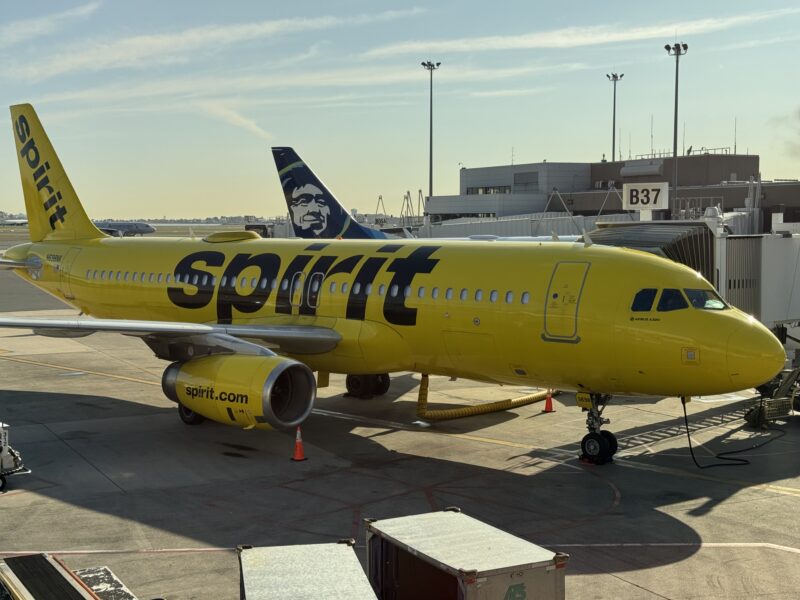
Spirit Airlines has made progress with its restructuring progress, and the carrier has come to an agreement on core terms of a restructuring support agreement with its existing DIP lenders and secured noteholders. This opens the door for the airline to exit bankruptcy.
The airline has laid out its strategy moving forward, which is the following:
- A focused, optimized network. Spirit will focus its flights to routes with strongest consumer demand and reduce its operations on other routes. This means higher aircraft utilization and less flights during off-peak periods.
- Expanded premium. Spirit will expand First Class and Premium Economy capacity and enhance its Free Spirit and co-branded programs to encourage passenger loyalty.
- A stronger balance sheet. Spirit will see an approximately $5 billion reduction in debt and lease obligations upon emergence from Chapter 11.
All of this will allow the airline to operate with lower costs, but it also will generate less revenue given its reduction in flights. The airline states that it expects to exit bankrupcy in late spring or early summer 2026.
“I am grateful to our Team Members for their dedication and unwavering commitment to our Guests throughout our restructuring,” said Dave Davis, President and Chief Executive Officer. “I also want to thank our Guests for continuing to choose Spirit to connect them to the people and places that matter most.”
Passengers can continue to book tickets as usual during restructuring.
Spirit’s Core Issues
While Chapter 11 has allowed Spirit to restructure and reduce debt, its core issues still remain.
1: Passengers today are willing to pay more for a premium experience.
Passengers are paying more for experiences since the pandemic, and many airlines have responded with increased premium seating, expanded airport lounges, and restructuring fares.
This trend goes the opposite direction of Spirit’s business model, which attempts to sell the lowest fare possible for a bare bones inflight experience. Even as Spirit has attempted to address this trend by introducing premium seating, it has not been enough.
This is further exacerbated by the introduction of Basic Economy by legacy airlines. Passengers can now fly for a lower cost while still enjoying the amenities of a legacy airline, such as seatback IFE, complimentary beverages, and free Wi-Fi.
2. Spirit suffers from awful branding.
The airline has some of the worst branding in the U.S. airline industry. Customers expect a bad onboard experience, and there are no shortage of jokes and negative perceptions of Spirit on the internet.
Passengers only fly Spirit for the cost. If a better deal exists elsewhere, passengers are willing to pay for a different flight (related to the aformentioned Basic Economy offerings on other airlines).
3. Inability to capitalize on consumer loyalty.
Many airlines today earn substantial revenue from consumer loyalty, which include loyalty programs and co-branded partnerships. Spirit’s business model of passengers only flying for its low fares, along with its negative branding, makes it difficult to take advantage of consumer loyalty.
Additionally, Spirit’s lack of a true premium offering and international partnerships make its loyalty programs lack value. Redeeming for premium experiences is a major factor in passengers choosing airline loyalty, and as long as Spirit lacks lucerative redemption options, the airline will continue to disappoint in the loyalty category.
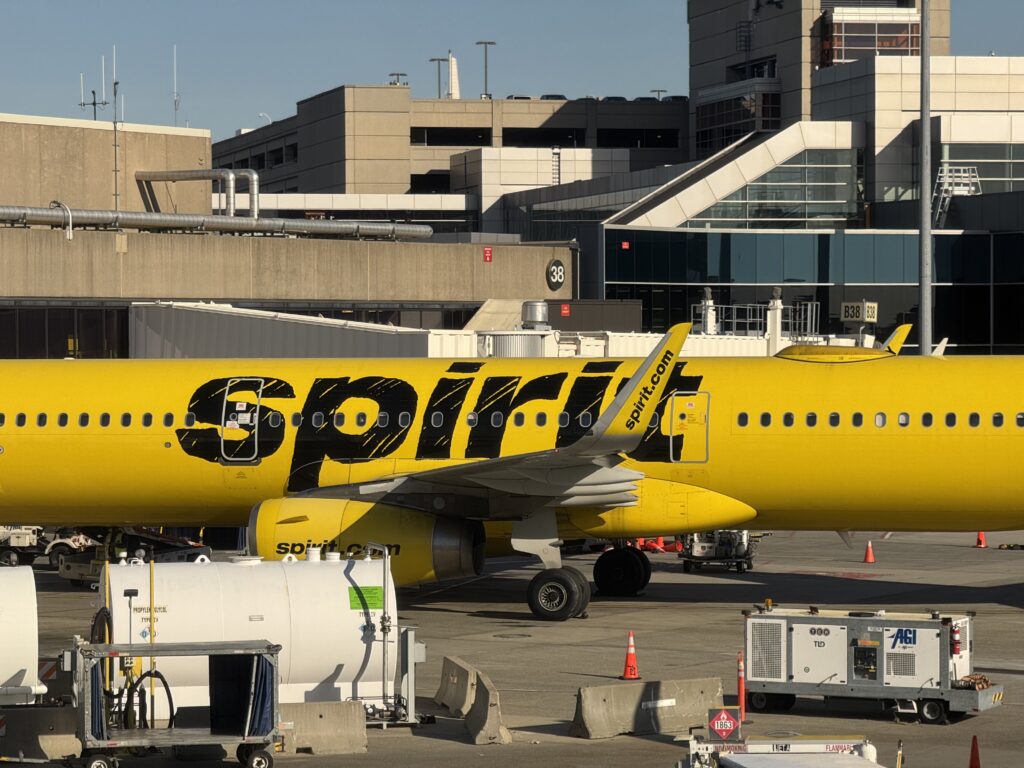
While these fundimental issues still linger, Spirit Airlines is confident that it is on an eventual path to profitability following bankruptcy.
“This agreement in principle is the result of months of hard work and allows Spirit to move toward completing its transformation,” Davis stated. “Spirit will emerge as a strong, leaner competitor that is positioned to profitably deliver the value American consumers expect at a price they want to pay.”
The airline has reduced debt and expects to lose less money with its new strategy, and creditors appear to be willing to go along this new strategy for now. But it remains to be seen if Spirit can generate the necessary revenue with less flying and an optimized network.
All photos by the author.